If you wish to say anything to Edinburgh Council about Houses in Multiple Occupation, here’s the relevant contact details:
Edinburgh Council Private Rented Sector Team
- 0131 469 5151 (Office hours)
- hmo@edinburgh.gov.uk

If you wish to say anything to Edinburgh Council about Houses in Multiple Occupation, here’s the relevant contact details:
Edinburgh Council Private Rented Sector Team
They’re here. Very much worth reading, especially about housing land and potential building on the greenbelt.
Click the graphic to download the maps (PDF)
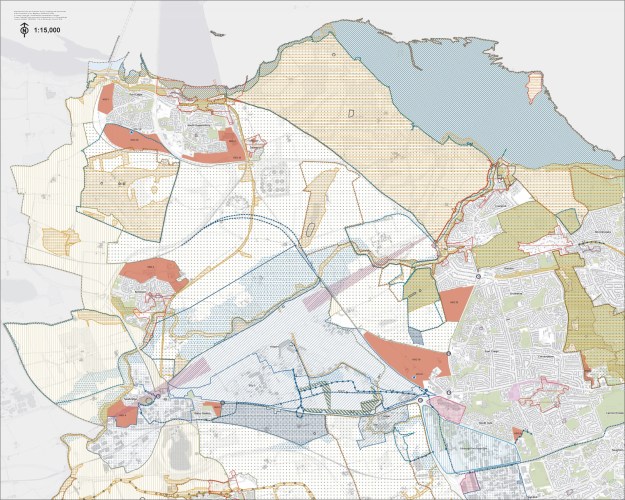
Adapted from an email from Edinburgh Council 
The Council’s Transport and Environment Committee has approved a draft network of 20, 30 and 40 mph roads as a basis for consultation and authorised a public consultation on extending the 20 mph speed limits to many roads in the city.
Whatever your views about the 20 mph speed limit proposals, Edinburgh Council wants to hear from you. You can email your views to the address below or use the online consultation. Drop-in events, public meetings and exhibitions are also taking place across the city.
An interactive map of the draft proposals, a list of frequently asked questions and details of the engagement events are available on the Council’s website at www.edinburgh.gov.uk/20mph.
Please forward this email to any contacts that you feel would be interested in making their views heard on the proposals. The consultation is open until 17 October.
Eileen Hewitt I Professional Officer, 20mph Programme I Strategic Planning I Services for Communities I City of Edinburgh Council I C:2 Waverley Court, 4 East Market Street, Edinburgh, EH8 8BG I 0131 469 3502 I20mph@edinburgh.gov.uk
Click to download the 20mph leaflet
Click to download: 2014_06_16 final
Topics discussed included
Edinburgh Council’s Planning Committee agreed in August 2013 to provide small grants (around £300) to assist community councils in carrying out engagement on major applications*. Recently, the Planning Committee stated that it’s received only 2 applications for such grants. It has asked CCs:
*As far as the author of this post is aware, the Edinburgh Planning Concordat is the framework for this assistance.
Leith Central CC’s planning subcommittee suggested the following reasons:

